By Eric Hayes
July 8, 2026
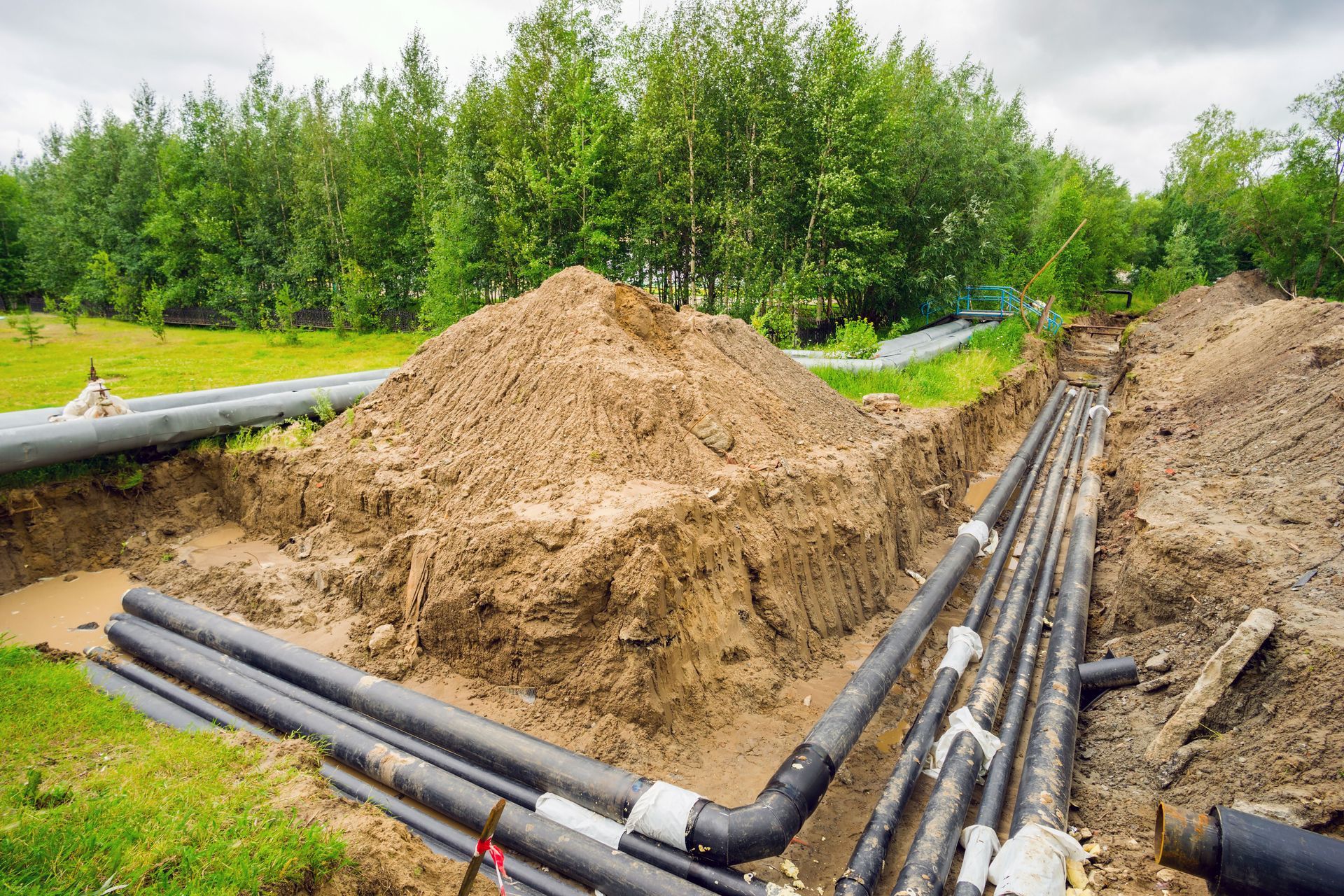
Utility trenching is one of the most important steps in preparing a property for essential services such as water, electricity, gas, and communication lines. While much of the work happens below the surface, the process requires careful planning, precision, and coordination. A local excavating contractor plays a key role in making sure these underground systems are installed safely and efficiently while minimizing disruption to the surrounding area. Proper trenching also helps prevent future issues such as shifting soil or utility line damage, which can be costly to repair.
Many property owners don’t realize how detailed trenching work can be until a project begins. From evaluating soil conditions to coordinating with utility providers, every step must be handled with care to avoid complications. Working with a local excavating contractor helps ensure that trenching projects are completed correctly, supporting both immediate needs and long-term functionality. This level of attention to detail helps maintain the integrity of the entire system once installation is complete.
According to IBISWorld, the excavation contractors industry in the United States included approximately 235,000 businesses in 2025, with total revenue reaching an estimated $203.1 billion by the end of the year. This reflects the growing demand for excavation services across residential, commercial, and infrastructure projects. As more properties require utility upgrades, the importance of skilled trenching work continues to increase.
We’ve seen how proper trenching work supports safe and reliable utility installation. Here are key ways a local contractor approaches utility trenching from start to finish.
Planning the Utility Trenching Process
Evaluating Site Conditions
Before any digging begins, the site must be carefully assessed. Soil type, terrain, and drainage patterns all influence how trenching will be performed. A local excavating contractor evaluates these factors to determine the best approach for the project. This evaluation helps prevent unexpected challenges during excavation.
Identifying Utility Requirements
Different utilities require specific trench depths and spacing. Planning ensures that each line can be installed safely and in compliance with regulations. This step helps avoid conflicts between systems. It also ensures that future maintenance or upgrades can be completed without unnecessary complications.
Coordinating With Utility Providers
Trenching often involves working alongside utility companies. Coordination helps ensure that installation timelines align and that all requirements are met before excavation begins. Clear communication at this stage helps reduce delays and supports a more efficient workflow.
Establishing Project Layout
Clear layout planning defines where trenches will be placed. This helps maintain organization and reduces the risk of errors during excavation. Careful planning sets the foundation for a successful trenching project and helps prevent delays or complications later. A well-defined layout also improves overall site efficiency.
Preparing the Excavation Site
Clearing the Work Area
Before trenching can begin, the site must be cleared of debris, vegetation, and obstacles. This creates a safe and accessible environment for excavation equipment. Removing these obstructions also helps improve visibility and reduces the risk of accidents during the project.
Marking Underground Utilities
Existing utility lines must be identified and marked to prevent damage. A local excavating contractor takes steps to locate these systems before digging begins. This process is essential for protecting both workers and the existing infrastructure.
Stabilizing the Ground
In some cases, soil conditions require stabilization to support safe excavation. This helps prevent shifting or collapse during the trenching process. Stabilized ground also improves the accuracy of trench dimensions and placement.
Setting up Equipment Access
Proper access points allow equipment to move efficiently throughout the site. This improves workflow and helps maintain consistent progress. Site preparation ensures that trenching work can proceed safely and efficiently without unnecessary interruptions. Efficient access also helps reduce project timelines.
Excavating Utility Trenches
Maintaining Accurate Depth and Width
Each trench must meet specific depth and width requirements based on the utility being installed. A local excavating contractor ensures these measurements are followed precisely. Accurate dimensions are essential for meeting safety standards and ensuring proper system function.
Managing Soil Removal
Excavated soil must be handled carefully to avoid interfering with the work area. Proper management helps maintain a clean and organized site. Organized soil placement also makes backfilling more efficient later in the process.
Ensuring Trench Stability
Trenches must remain stable throughout the project. Techniques such as sloping or shoring may be used to prevent collapse and maintain safety. Stable trenches protect both workers and the integrity of the installation.
Adjusting for Site Conditions
Unexpected conditions can arise during excavation. Experienced contractors adapt to these changes while maintaining project standards. Accurate excavation is essential for supporting proper utility installation and long-term system performance. Flexibility during this phase helps keep the project on track.
Installing Utility Systems
Positioning Utility Lines
Once trenches are prepared, utility lines are carefully placed according to project specifications. Proper positioning ensures efficient operation and accessibility. Correct placement also supports easier maintenance in the future.
Maintaining Proper Spacing
Spacing between utilities is critical for safety and functionality. A local excavating contractor ensures that all lines are installed with the appropriate separation. This reduces the risk of interference between systems.
Supporting Secure Connections
Connections between utility components must be properly aligned and secured. This helps prevent future issues and supports system reliability. Secure connections also reduce the likelihood of leaks or disruptions.
Preparing for Inspection
Many projects require inspection before trenches are filled. Preparing for this step ensures that installations meet required standards. Utility installation is a key phase that relies on precision and attention to detail to ensure long-term performance. Successful inspections help keep projects moving forward.
Backfilling and Restoring the Site
Replacing Excavated Soil
After utilities are installed, trenches are carefully filled with the removed soil. Proper backfilling helps restore ground stability. This step also helps protect newly installed systems from external pressure.
Compacting the Soil
Compaction is essential for preventing settling or shifting over time. This step ensures that the surface remains level and secure. Proper compaction supports long-term durability.
Restoring Surface Conditions
The site is returned to its original condition as much as possible. This may include grading or preparing the area for landscaping. Restoring the surface helps maintain the overall appearance of the property.
Maintaining Long-Term Stability
Proper restoration supports long-term durability and reduces the risk of future issues. A local excavating contractor focuses on maintaining consistent results. Backfilling and restoration complete the trenching process and help ensure the site remains functional and stable. This final step is essential for long-term performance.
Ensuring Safety and Compliance
Following Safety Standards
Trenching work must follow strict safety guidelines to protect workers and property. Contractors implement procedures that reduce risk throughout the project. Safety measures are a top priority at every stage.
Meeting Regulatory Requirements
Local and industry regulations guide how trenching is performed. Compliance ensures that the project meets all necessary standards. Adhering to these requirements helps avoid future legal or operational issues.
Protecting Surrounding Structures
Excavation work can impact nearby structures if not managed carefully. Proper techniques help prevent damage and maintain stability. This protects both the property and the surrounding areas.
Monitoring Project Conditions
Ongoing monitoring ensures that conditions remain safe throughout the process. Adjustments can be made as needed to maintain standards. Safety and compliance are essential components of every trenching project, ensuring reliable results and protecting all involved. Continuous oversight helps maintain project quality.
Utility trenching involves more than digging—it requires careful planning, precise execution, and attention to detail at every stage. From preparing the site to restoring the surface, each step plays a role in supporting safe and efficient utility installation. Working with a local excavating contractor helps ensure that the process is handled with professionalism and consistency.
By investing in proper trenching services, property owners can support long-term functionality and avoid unnecessary complications. A well-executed project provides a strong foundation for essential utilities and contributes to overall property performance.
If you’re preparing for a utility trenching project, contact Hayes Excavating & Landscape LLC today to work with a local excavating contractor who can deliver reliable results and support your property’s long-term needs.